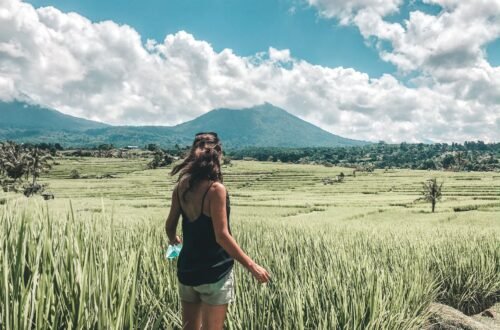
Most people who visit Bali come home with the same stories. The rice terraces in Ubud. The sea temple at Tanah Lot. The chaos and color of Seminyak. All of it beautiful, all of it worth experiencing. But ask a serious diver or a seasoned snorkeler where they actually go when they want to see the best of Bali underwater, and the answer is almost always the same: Menjangan Island.
The funny thing is, most tourists have never heard of it.
That is not an accident. Menjangan sits quietly in the northwest corner of Bali, tucked inside the West Bali National Park, far from the tourist trails of Kuta, Seminyak, or even Canggu. Getting here takes a little effort, and that effort is precisely what keeps the crowds away. It is one of the last places in Bali where you can slip into the water and feel like you are the first person who has ever been there.
Where Exactly Is Menjangan Island?
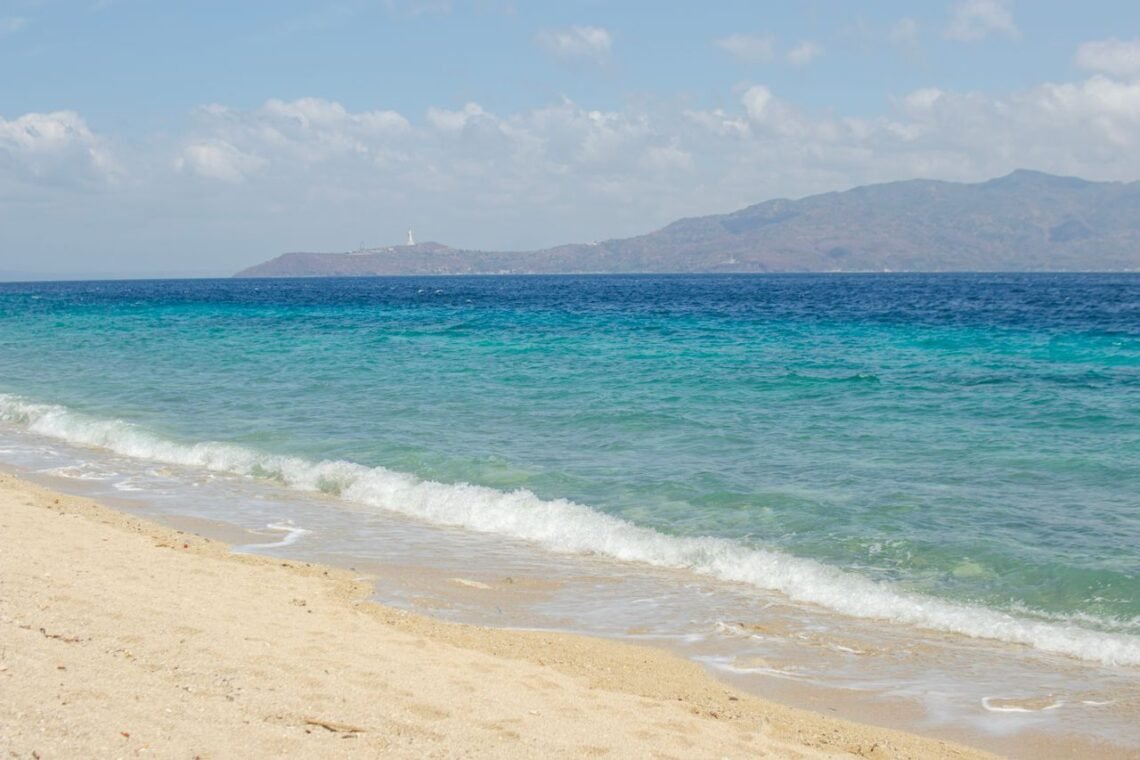
Menjangan Island belongs to the Buleleng Regency on Bali’s northwest coast, sitting just off the shoreline of the West Bali National Park. The island itself is small, uninhabited, and protected. Its name means “deer” in Balinese, named after the herds of Javan deer that freely roam the island. You will often spot them grazing along the shoreline as your boat approaches, which sets the tone perfectly: this is a place where nature is running the show.
The island spans roughly 175 hectares and is completely car free. No resorts, no warungs, no beach clubs. Just a small Hindu temple, tall trees, roaming deer, and some of the clearest water you will find anywhere in Southeast Asia.
Why Most Bali Visitors Never Make It Here
Menjangan sits about 2.5 to 3 hours from the main tourist hubs of Seminyak or Ubud. That distance alone filters out a huge portion of day trippers. Then there is the matter of access. Because the island falls within a national park, visitors are required to hire a local guide, pay the park entrance fee, and arrange a boat from the pier at Labuan Lalang. None of this is complicated, but it does require a bit more planning than just renting a scooter and showing up.
The result? The snorkeling spots around Menjangan see a fraction of the visitors that crowd places like Amed or Padang Bai. On a good day, you might share the water with only a handful of other snorkelers. Some days, you will have a section of reef entirely to yourself.
That kind of quiet is almost impossible to find in Bali anymore. Menjangan still has it.
What Waits Beneath the Surface
The underwater world around Menjangan is defined by one remarkable geological feature: a series of dramatic vertical coral walls that drop from just below the surface down to depths of 30 meters or more. For divers, these walls are legendary. For snorkelers, the top sections of these walls, which begin at one to three meters below the waterline, offer an experience that rivals some of the best snorkeling destinations in all of Asia.
The water clarity here is exceptional. Visibility regularly reaches 20 to 30 meters, meaning you can float on the surface and peer down into an entirely different world. The walls are carpeted in hard and soft corals, sea fans, and sponges in every shade of orange, purple, pink, and yellow. Parrotfish, angelfish, butterflyfish, and surgeonfish move through the coral in dense, colorful schools. Hawksbill sea turtles are regular residents and it is genuinely common to see one gliding past within arm’s reach.
Bumphead parrotfish are another highlight. These prehistoric looking creatures travel in schools and can be startlingly large, up to a meter long. Watching a school of them move through the reef is one of those moments you do not forget quickly. On a lucky morning, you might also spot a white tip reef shark resting in the sand below the wall, or a Napoleon wrasse drifting past with its unmistakable humped forehead.
The Coral Walls That Will Change How You See Snorkeling
There are several named snorkeling spots around Menjangan, each with its own personality. Pos 1 is the most popular and offers the most straightforward access, with a shallow reef that is ideal for beginners. Coral Garden is exactly what it sounds like, a sprawling, wide area of coral formations with impressive biodiversity and gentle currents. Bat Cave features an underwater cave opening that more experienced snorkelers can explore with a guide.
What makes snorkeling at Menjangan genuinely different from other spots in Bali is the sheer density and health of the coral. Because the island sits within a protected national park, fishing and anchoring on the reef are strictly regulated. This protection has allowed the ecosystem to stay in remarkable condition. The corals are alive, vibrant, and intact in a way that is increasingly rare across much of Bali’s coastline.
Even someone who has snorkeled before and thought they had seen it all tends to surface from Menjangan wearing a slightly stunned expression. It is that kind of place.
Life Above Water Is Pretty Special Too
Menjangan is not only about what is underwater. The island itself is part of the West Bali National Park ecosystem, and landing on it feels like stepping into a quieter, older version of Bali. The deer are everywhere, completely unbothered by human presence. Peacocks and wild pigs occasionally cross your path. There is an ancient Hindu temple called Pura Segara, which sits just above the shoreline and adds a layer of cultural depth to the visit. Bringing an offering is not required but appreciated.
The surrounding national park on the mainland is also worth exploring if you have an extra day. It is home to the Bali starling, one of the rarest birds in the world, found almost nowhere else on earth.
When to Go and What to Expect
The best time to visit Menjangan Island is during Bali’s dry season, which runs from April through October. During these months, the sea is calm, visibility underwater is at its peak, and the boat crossing from Labuan Lalang is smooth and easy. The early morning hours, between 7 and 10 a.m., tend to offer the best light underwater and the fewest other visitors in the water.
The rainy season from November to March can bring rougher seas and reduced visibility, though experienced guides will tell you that even in the wet season, Menjangan often surprises with good conditions. It is always worth checking before you rule out a visit.
How to Get to Menjangan Island
The most straightforward way is to arrange transport from your accommodation to Labuan Lalang, the departure pier on the northwest coast. From Seminyak or Ubud, the drive takes roughly 2.5 to 3 hours. Many travelers choose to spend a night or two in the nearby area, either in Pemuteran, a small coastal town about 30 minutes from the pier, or at one of the handful of eco resorts closer to the national park entrance. Staying nearby lets you get an early start, which makes a real difference in the quality of your experience.
At Labuan Lalang, local boat operators and guides are available. You will pay the national park entry fee, hire a guide (mandatory), and board a small wooden boat for the short 20 to 30 minute crossing. The whole process is well organized and easier than it sounds.
A Few Things Worth Knowing Before You Go
Bring reef safe sunscreen, both because it is better for the coral and because regular sunscreen is increasingly restricted in protected marine areas. A well fitting snorkel mask matters more than you might think here. The walls reward time spent looking closely, and a leaking mask will cut that time short. If you are not a confident swimmer, life vests are available and there is no shame in wearing one. The walls are beautiful regardless of your swimming ability.
Most importantly, go with realistic expectations and then let Menjangan exceed them. This is not a manicured resort beach experience. It is something more honest than that. The boat ride can be bouncy, the sun is relentless, and there are no beach clubs waiting on the other side. What you get instead is an intact reef, water so clear it almost does not look real, and the rare feeling of being somewhere that has not yet been packaged for mass consumption.
In a Bali that increasingly caters to Instagram moments and rooftop infinity pools, Menjangan Island remains stubbornly, beautifully itself. That is exactly the point. And it is exactly why you should go.