If you are thinking about visiting Bali sometime between November and March, you have probably come across a few warnings online. People love to say the rainy season “ruins” the island, that everything floods, and that you should just wait for the dry months instead. Take a breath. That advice is a bit too dramatic, and honestly, a little outdated.
Bali in the rainy season is not the soggy disaster some travel forums make it sound like. It is a different version of the island, with its own rhythm, its own light, and its own kind of charm. Once you understand how the weather actually works here, you can plan around it easily and still have an incredible trip.
What the Rainy Season Actually Looks Like
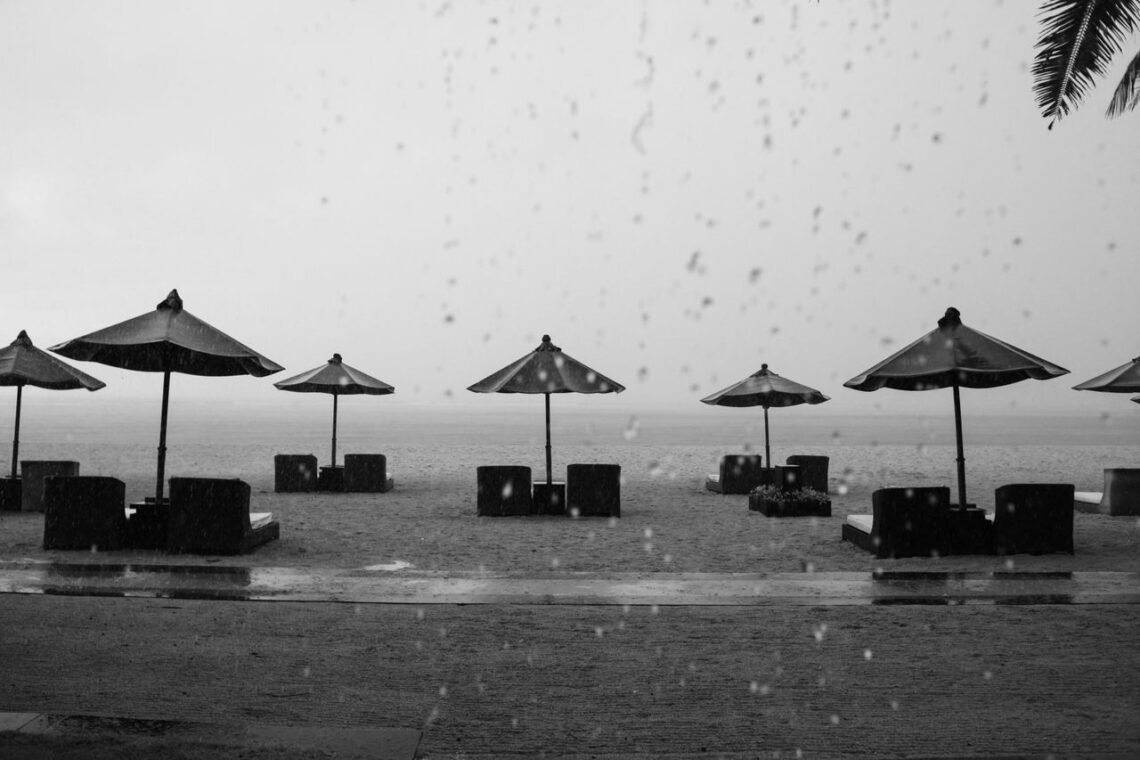
First, let us clear up a common misunderstanding. Rainy season in Bali does not mean nonstop rain for weeks on end. Most days follow a fairly predictable pattern. Mornings are often bright and warm, sometimes even sunnier than you would expect during the dry months. Clouds tend to build up through the afternoon, and then rain arrives, usually in short, heavy bursts that last anywhere from twenty minutes to a couple of hours. After that, the sky often clears again, and you get a fresh, washed feeling in the air that is honestly quite beautiful.
Humidity is higher during these months, so you will sweat a bit more than usual, and the heat can feel heavier even when the temperature itself is not extreme. December and January tend to bring the most consistent rainfall, while November, February, and March are usually milder and more unpredictable, with longer dry stretches in between showers.
Storms can happen, and on rare occasions, a heavier system rolls through that brings a full day of rain. These are the exception, not the rule. For the most part, you will still get plenty of sunshine to enjoy beaches, pools, and outdoor activities.
What Changes for Travelers
Some things genuinely shift during this period, and it is worth being upfront about that. Certain hiking trails, especially around Mount Batur or Mount Agung, can get slippery and are sometimes closed for safety reasons after heavy rain. Boat trips to the Gili Islands or Nusa Penida may be delayed or cancelled if the sea gets rough, so building a flexible buffer day into your itinerary is a smart move if those activities matter to you. Some beach clubs and outdoor venues quiet down a little, simply because fewer people are out and about during peak shower hours.
Roads in certain areas, particularly in Ubud or more rural parts of the island, can develop puddles or minor flooding during the heaviest downpours. It clears up fast, usually within an hour, but it is good to know in advance so it does not catch you off guard.
None of this means your trip is compromised. It just means you plan your days a little differently, which brings us to the good part.
What Still Rocks About Bali Right Now
This is where the rainy season actually has the upper hand, and it surprises a lot of first time visitors.
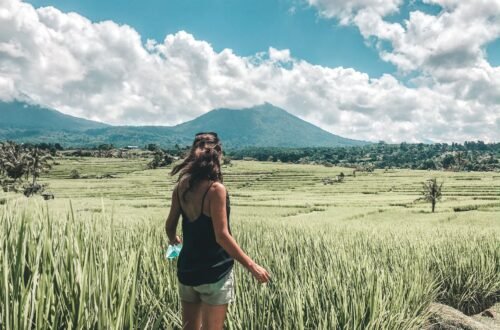
The landscape becomes almost unbelievably green. Rice terraces in places like Tegalalang or Jatiluwih turn a deep, glowing emerald that photographs beautifully and feels completely alive. Waterfalls across the island, including favorites like Tegenungan, Sekumpul, and Tibumana, swell with water and become more powerful and dramatic than they are during the dry months. If waterfall chasing is on your list, this is genuinely one of the best times to do it.
Crowds thin out significantly. Popular spots that are usually packed shoulder to shoulder during peak season feel calmer and more relaxed. You get more breathing room at temples, more space at cafes, and shorter waits almost everywhere. For travelers who want a slower, more personal experience of Bali rather than a rushed one, this matters more than people realize.
Prices tend to drop as well. Villas, resorts, and even some tours offer better rates because demand is lower. If you are looking to stretch your budget a bit further or treat yourself to a nicer stay than you normally would, the rainy season makes that easier.
Bali’s wellness and indoor culture genuinely shines during this period too. Spa days, yoga sessions, art studios, cooking classes, and long, unhurried lunches at beautiful cafes all feel like a natural fit when an afternoon shower rolls through. Instead of fighting the rain, locals and longtime visitors simply build their day around it, and there is something calming about adopting that same rhythm yourself.
The sunsets, when they happen, tend to be spectacular. Storm clouds clearing out at the end of the day often create dramatic colors across the sky that you simply do not see as often during the drier months.
How to Make the Most of It
Pack light rain layers and quick dry clothing rather than heavy waterproof gear, since most showers pass quickly and the heat returns soon after. Keep your itinerary a little flexible, especially for outdoor adventures, so an unexpected downpour does not throw off your whole day. Mornings are generally your best window for outdoor activities, so plan hikes, beach time, or temple visits earlier in the day when possible, and save spas, museums, shopping, or long cafe sessions for the afternoon when rain is more likely.
A good rule of thumb is to think of the rainy season less as an obstacle and more as a built in excuse to slow down, which is honestly part of what makes a trip to Bali feel restorative in the first place.
Final Thoughts
Bali in the rainy season is not a compromise. It is simply a different way to experience the island, one with lush scenery, quieter spots, better prices, and a slower pace that many travelers end up preferring once they try it. Yes, you will need a bit of flexibility, and yes, you might get caught in a shower or two. But in exchange, you get a version of Bali that feels softer, greener, and a little more intimate.
So if your travel dates happen to fall between November and March, do not cancel your plans or feel like you are settling for second best. Pack a light jacket, keep your schedule loose, and let the island show you what it looks like when it rains.