Ubud has earned its place as Bali’s wellness capital, and it deserves the credit. It has yoga studios on almost every street, juice bars that take healthy eating seriously, and rice paddies that have appeared in thousands of travel photos. But that same popularity has come with a cost. During high season, Ubud’s narrow roads fill up with scooters and cars, cafes have a line before the sun even rises for morning yoga, and the silence many people travel for becomes harder and harder to find.
If your idea of a wellness retreat is less about ticking off trendy spots and more about slow mornings, clear thinking, and genuine rest, Bali still has a lot to offer. You just need to look a little further from the center of the island. Here are five places that carry the same restorative spirit as Ubud, only with far fewer crowds and a quieter rhythm to match.
1. Sidemen Valley, the Calmer Cousin of Ubud
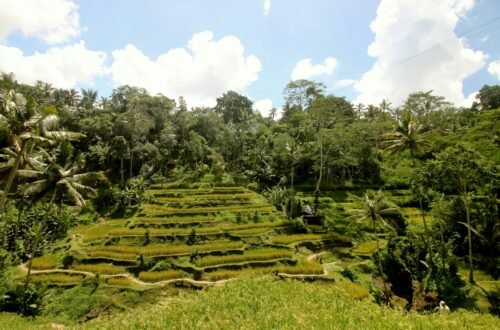
Sidemen sits in East Bali, not far from Ubud in distance, but worlds apart in atmosphere. The rice terraces here are just as striking as the famous ones in Tegalalang, layered green steps that catch the morning light beautifully, except you can actually walk through them without dodging a line of tour buses or photographers waiting for their turn.
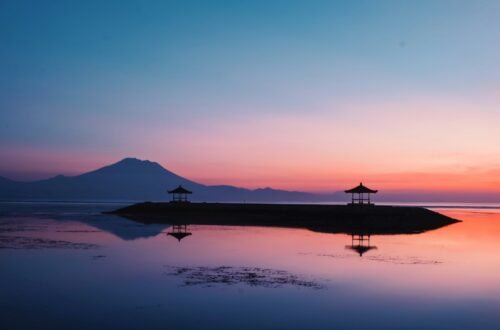
Most accommodation in Sidemen is small and family run, the kind of place where the owner remembers your name by day two. Mount Agung rises in the background, often wrapped in soft cloud, and the pace of daily life here still follows the rhythm of farming rather than tourism. It is an easy place to wake up early, stretch on a quiet terrace, and simply watch the valley come to life. For anyone who loved the idea of Ubud’s rice fields but not the crowd that comes with them, Sidemen feels like the version of that dream without the noise.
2. Munduk, Where the Air Feels Different
Munduk sits in the highlands of North Bali, and the moment you arrive, you will likely notice the temperature drop and the air turn fresher. This area was once a center for coffee and clove plantations during colonial times, and that quiet, working village character has stayed largely intact.
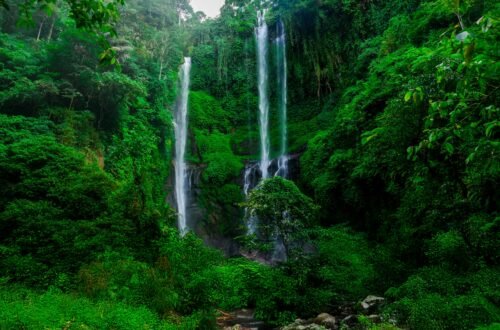
Mornings in Munduk often come wrapped in mist, with waterfalls tucked into the surrounding forest that you can walk to without paying an entrance fee crowded with selfie sticks. There are no beach clubs here, no late night parties, and very little nightlife to speak of, which is exactly the point. For people who want to disconnect properly, perhaps for a digital detox or a few days of unstructured thinking, Munduk gives your mind the kind of stillness that is hard to manufacture anywhere closer to the city.
3. Amed, A Coastal Pace That Slows You Down
If your version of peace involves the ocean rather than rice fields, Amed on Bali’s east coast is worth considering. It started as a small string of fishing villages, and even with more visitors arriving over the years, that original character has not disappeared. The beaches here are made of black volcanic sand, the sea stays calm for much of the year, and the snorkeling and diving are genuinely good, without the crowds you find on the busier southern coast.
Days in Amed tend to move slowly. Fishermen still take their traditional outrigger boats out at sunrise, the same way they have for generations, and most guesthouses are simple, comfortable, and close enough to the water that you can hear it from your bed. This is a good fit for travelers who want ocean energy in their retreat without the party scene that places like Canggu have become known for.
4. Pemuteran, the Island’s Quiet Marine Sanctuary
Tucked into the northwest coast near West Bali National Park, Pemuteran is one of those places many travelers only hear about once they are already looking for something quieter. The bay here is protected by a coral reef, which keeps the water calm and the atmosphere relaxed, even compared to other coastal towns in Bali.
Pemuteran is also home to one of the world’s largest coral restoration projects, known as Biorock, where steel structures placed underwater help damaged reefs grow back. For wellness travelers, this adds something meaningful to the experience. Snorkeling or diving here is not just about seeing colorful fish, it connects you to a place actively working to heal itself, which mirrors what many people are hoping to do for themselves on a retreat. Evenings are quiet, restaurants close early, and the loudest sound most nights is the sea.
5. Nusa Penida’s Quieter Interior, Away From the Famous Cliffs
Most people know Nusa Penida for its dramatic viewpoints, places like Kelingking Beach and Broken Beach, which have become so popular that the parking areas alone can feel like rush hour. But beyond those well photographed spots, the island’s interior tells a different story. Villages such as Tanglad and Suana move at a much slower pace, where seaweed farming and traditional weaving are still part of daily life.
Staying away from the main tourist loop on Nusa Penida means trading famous photo spots for genuine quiet. Roads are simple, electricity can be limited in some areas, and that is part of the appeal. For travelers who want to feel truly far from anything resembling a city, this side of the island offers a kind of stillness that is becoming rarer across Bali as a whole.
Finding Your Own Version of Quiet
Ubud will likely remain Bali’s most recognized wellness destination, and there is nothing wrong with that reputation. But peace on this island is not limited to one town. It exists in the misty hills of Munduk, along the quiet shores of Amed, in the rice terraces of Sidemen, beneath the protected waters of Pemuteran, and in the slower villages of Nusa Penida.
The right choice really depends on what kind of quiet you are looking for. If you want mountains and cooler air, Munduk or Sidemen will suit you well. If the ocean calms you down faster than anything else, Amed or Pemuteran are worth your time. And if you want to feel genuinely far from everything familiar, the interior of Nusa Penida offers that in a way few places in Bali still can.
Wellness was never really about the destination itself. It is about giving yourself permission to slow down, and Bali, in all its quieter corners, still makes that easy to do.