Ask anyone who has spent a few days in Bali, and they will probably tell you about the beaches, the rice fields, or the temples at sunrise. But ask someone who has actually lived there for a while, and coffee will come up fast. Not the instant kind you find in a hotel room, but the kind that is grown on volcanic hills, roasted by hand, and served by people who genuinely care about what is in your cup. Bali’s specialty coffee scene has quietly grown into something worth talking about, and once you understand what makes it special, it is hard to go back to an ordinary cup.
A Culture Built on Coffee, Long Before It Was Trendy
Coffee is not new to Bali. Indonesia has been growing coffee for centuries, and the island of Bali itself has a long relationship with the crop, especially in the highlands around Kintamani. What has changed in recent years is how that coffee is treated once it leaves the tree. A new generation of local farmers, roasters, and baristas started asking better questions. How was this bean grown? How was it processed? Who picked it, and were they paid fairly? These questions are the foundation of what people now call specialty coffee, and Bali has embraced them with quiet confidence rather than loud marketing.
This shift did not happen overnight. It came from small groups of people, often young Balinese entrepreneurs, who traveled, studied coffee abroad, and came home wanting to do things differently. They saw that Bali already had good beans. What was missing was the care in between the farm and the cup.
Kintamani Beans and the Land Behind Them
If you want to understand Bali coffee, you need to know about Kintamani. This highland region sits near Mount Batur, and its volcanic soil gives the coffee a bright, slightly fruity character that is different from coffee grown elsewhere in Indonesia. Farmers here mostly grow Arabica, often alongside citrus trees, which is said to influence the flavor in a subtle way. Many of these farms are still small and family run, passed down through generations rather than owned by large corporations.
What makes this even more meaningful is the Subak system, Bali’s traditional cooperative approach to farming, which has also shaped how coffee is grown here. It is not just about efficiency. It is about shared responsibility for the land and the water that feeds it. When you drink a cup of Kintamani coffee, you are tasting the result of that cooperation, whether you realize it or not.
The Rise of Cafes That Actually Care
Walk through Ubud, Canggu, or even quieter towns like Sidemen, and you will notice something. Coffee shops are not just places to grab a quick drink. Many of them roast their own beans on site, or work directly with a specific farm they trust. Baristas will happily explain where the beans came from, how they were processed, and why a certain method brings out a certain flavor. This is not showing off. It is simply what happens when people are proud of their work.
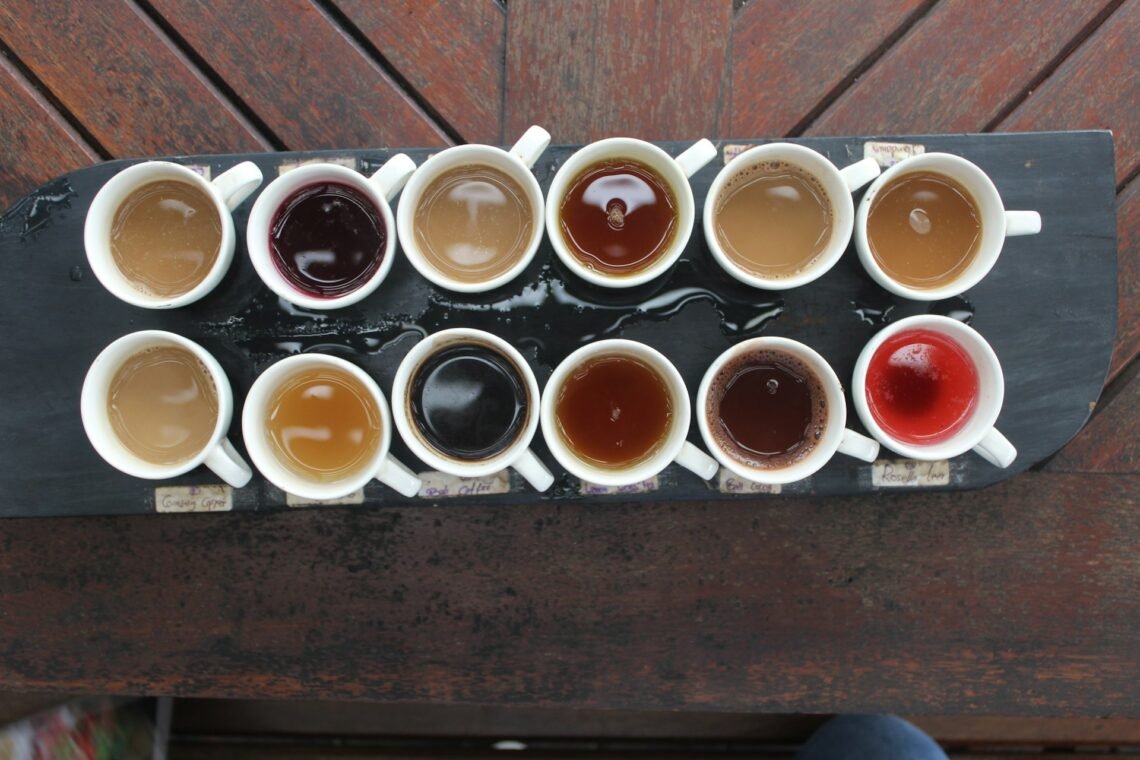
You will also notice more attention to process here than in many other places. Washed, natural, and honey processed beans are all common, and each one changes the taste in a noticeable way. A washed Kintamani Arabica might taste clean and citrusy, while a natural process version can feel sweeter, almost like dried fruit. Trying both, side by side, is one of the simplest ways to understand why specialty coffee is worth the extra attention.
More Than a Drink, A Small Act of Support
There is something quietly powerful about ordering a coffee in Bali these days. Many of the cafes leading this movement work directly with local farmers, cutting out layers of middlemen who used to take most of the profit. That means a fair cup of coffee is not just good for your taste buds, it is also good for the person who grew it. This is not charity. It is simply a better system, one where quality and fairness support each other instead of competing.
Sustainability shows up in smaller ways too. Reusable cups, compostable packaging, and farming methods that protect the soil are becoming more common, not because it is trendy, but because many of the people running these businesses grew up on this land and want it to stay healthy for their own children.
How to Enjoy It Like You Mean It
If you are visiting Bali and want to experience this properly, slow down a little. Skip the rush of grabbing a coffee to go, at least once, and sit down somewhere that roasts its own beans. Ask the barista what they recommend, and do not be afraid to ask questions. Most people working in these cafes enjoy sharing what they know, and you will likely leave understanding a little more about where your coffee actually comes from.
Try comparing a few different origins if you can. Beans from Kintamani will taste different from those grown in Java or Flores, even though they are all Indonesian coffee. Noticing these differences is part of the fun, and it does not require an expert palate, just a bit of curiosity and a willing tongue.
A Scene Worth Paying Attention To
Bali’s specialty coffee scene did not appear because of a marketing campaign. It grew because people who understood coffee, and cared about the land it comes from, decided to do things properly. The result is a coffee culture that feels honest. It respects the farmers, respects the process, and respects the person drinking the cup at the end of it all.
So next time you are on the island, do yourself a favor. Choose a local roaster over a chain, ask where the beans came from, and take a moment to actually taste what is in front of you. Chances are, you will notice the difference, and you might just understand why so many people in Bali take their coffee so seriously.